You open three tabs. The same 12,000-puff device is A$38 on one Australian site, A$52 on another, and “free delivery” on the third — until checkout adds a vape delivery fee that quietly swallows the difference. You are not even sure whether you are comparing a 12K device to a 15K one, or whether the cheap tab is selling something that will actually arrive.
That confusion is the real problem. Not the number on the label.
This guide is not going to hand you an “average price” that will be wrong by next month. It is going to show you why prices for vape online purchases in vape Australia swing so widely, what delivery really adds, and how to run one simple division — plus a closer look at three devices that keep coming up in Australian search results, and what actually makes them worth the money.
Start Here: Why the Same Vape Costs Different Amounts
Hardware and puff count set the floor
A 4,000-puff disposable and a 15,000-puff disposable are not the same product with a different sticker. The higher-capacity device carries a bigger battery, more e-liquid, and a different coil design. Publicly listed Australian retail prices at the time of writing put 8K–12K disposables around A$20–A$30, 20K devices at roughly A$35–A$50, and 30K–50K devices at A$50–A$80. That gap reflects physical cost, not necessarily a rip-off.
Where you buy changes the price structure
A local shop pays rent, staff wages, and compliance overhead. An online store may run a thinner cost base — but it may also charge shipping, and the vape delivery line at checkout can erase the shelf-price advantage. Neither channel is automatically cheaper. The useful question is not “which site has the lowest number?” but “what is my total cost after shipping, and how long am I willing to wait?”
Regulation reprices the market, not just the product
Australia reclassified nicotine vapes as therapeutic goods and banned disposable imports in January 2024. A device that sold for around A$32 two years ago now costs close to A$50 from the same counter, and the extra A$15 is the cost of operating inside a restricted supply chain. Chemist vapes in 2025 carry a 35–55% premium over online alternatives, and that premium shows up whether you buy locally or online. It is also why a “cheap” listing that sits outside the legal path is not the bargain it looks like.
Disposable Vapes: A Low Sticker Price Can Still Be Bad Value
If you want to try vaping without charging pods or buying replacement coils, a disposable is the simplest entry point. The trap is comparing sticker prices only.
Put two high-capacity devices side by side: RELX Herc 12000 Puffs and SCAMMM 15000 Puffs. Both are built for people who want one device to last more than a week. The Herc may carry a higher shelf price in some listings; the SCAMMM may look cheaper. But sticker price alone tells you almost nothing about which one costs more per puff.
Take the live price of the exact variant you want, divide it by the puff count divided by 1,000. A device at A$55 with 12,000 puffs works out to A$4.58 per 1,000 puffs. A device at A$45 with 15,000 puffs works out to A$3.00. The “cheaper” device is not cheaper per puff.
Australian market data confirms this spread is real: high-capacity disposables land anywhere from roughly A$2 to A$7 per 1,000 puffs depending on capacity and channel. If you never run the division, you are guessing.
Why higher puff counts often win on value — if you finish them
A 25,000-puff device at A$64.95 works out to about A$2.60 per 1,000 puffs, while a 12,000-puff device at A$65 works out to A$5.42. The bigger device is roughly half the per-puff cost. But there is a catch nobody puts on the label: if you do not actually finish 25,000 puffs before the device dies or you lose interest, the “saving” is wasted. High-capacity value only works if your usage pattern matches the capacity.
Three high-capacity options worth running that division on:
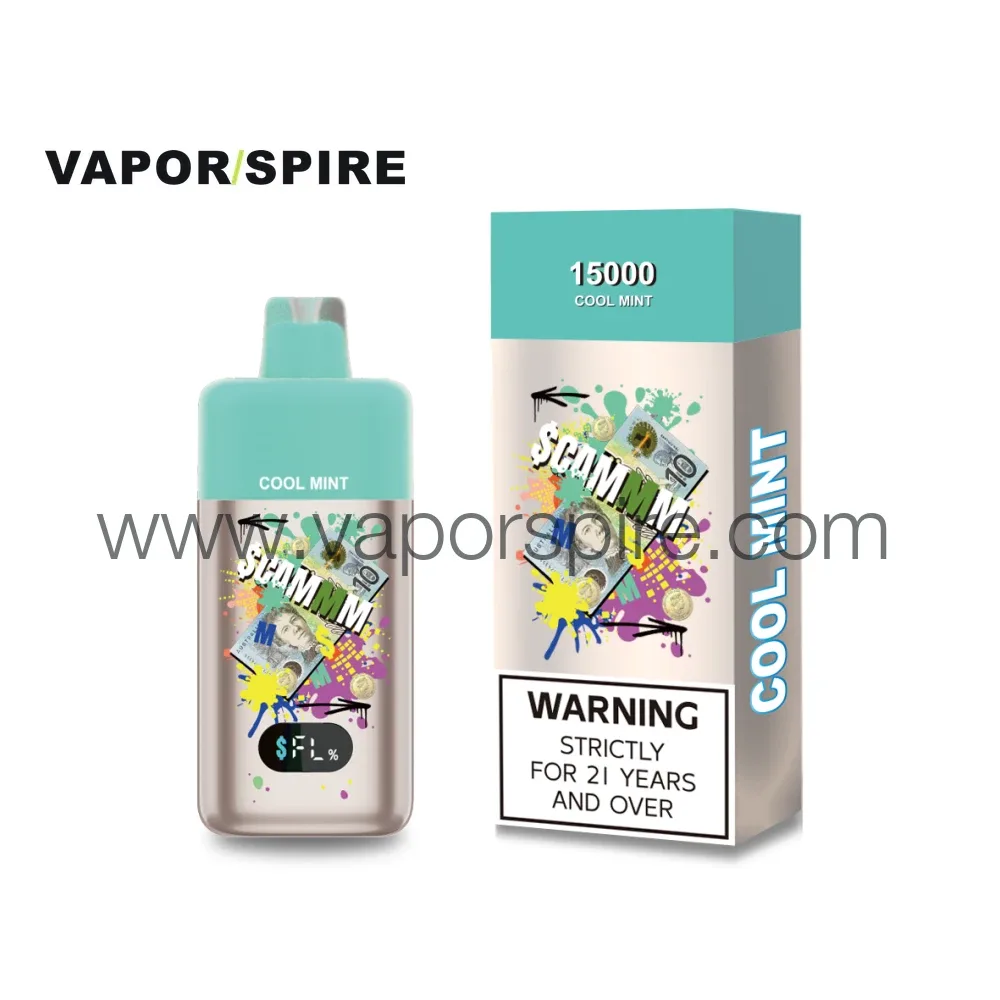
$cammm 15000 Puffs – Cool Mint
If you want clean, cold and not too sweet, Cool Mint is the steadiest daily pick in the SCAMMM 15K range. The 15,000-puff capacity paired with a mesh coil means it doesn't start tasting off on day three — that's what "actually finishing a 15K" looks like in practice. Run the per-1,000-puff maths against a same-priced 12K and it usually comes out ahead.
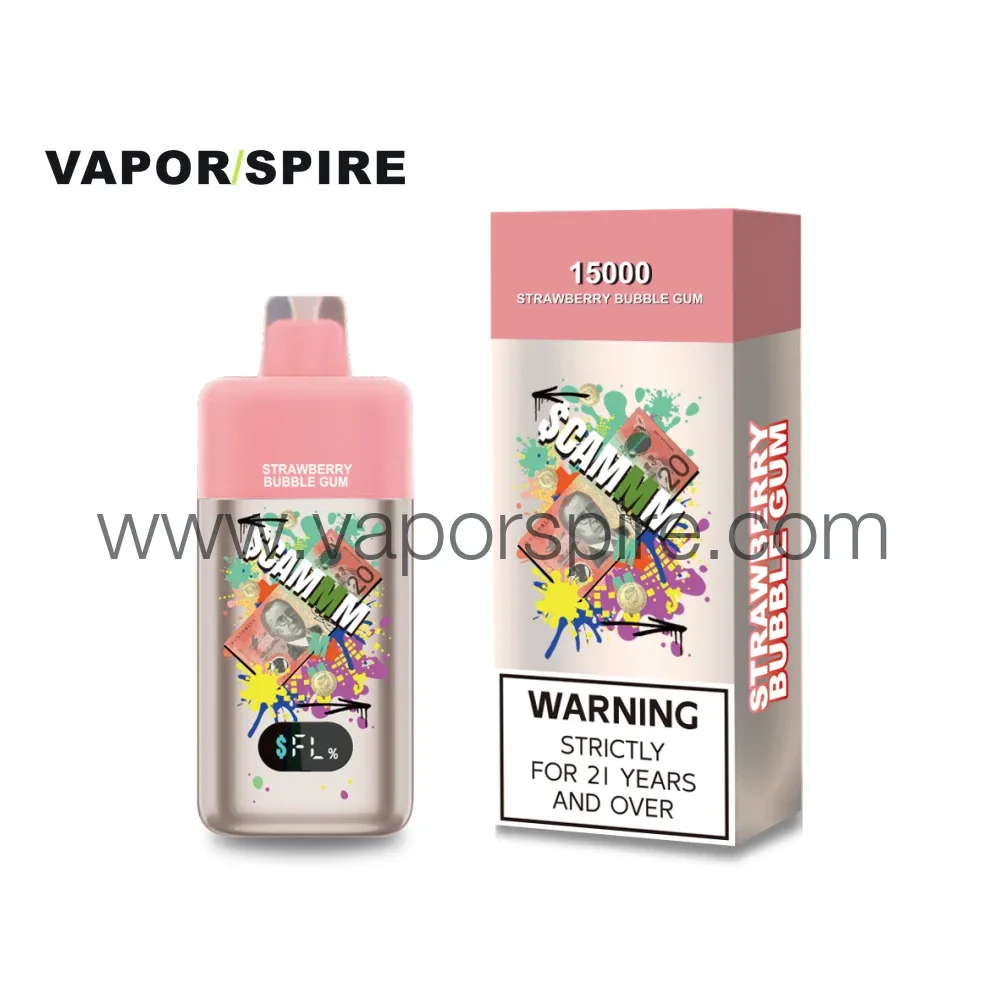
$cammm 15000 Puffs – Strawberry Bubble Gum
Strawberry Bubble Gum is the kind of flavour you know you'll finish — sweet but not cloying, with a medium cooling finish. SCAMMM's mesh coil keeps it from going burnt near the end of the rated count, which makes it a sensible single device to cover a week or two. Same price as Cool Mint, so pick on flavour.
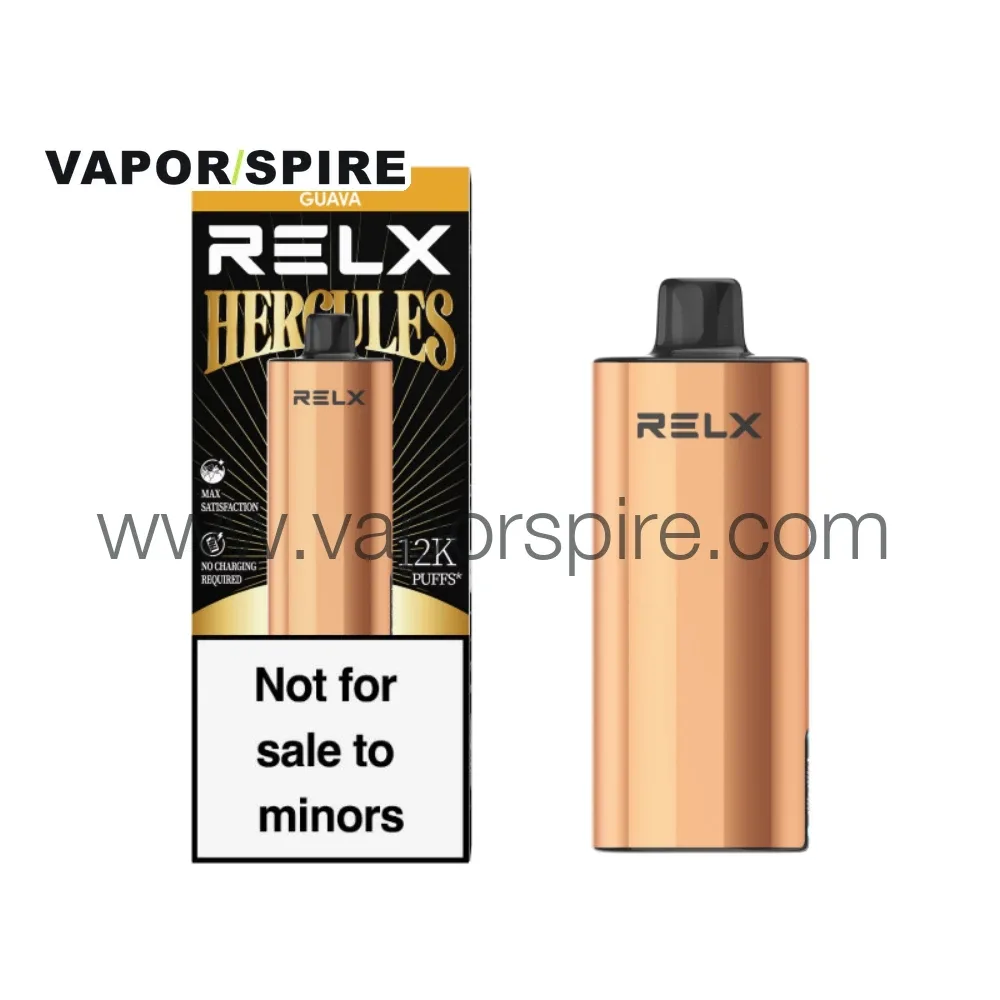
Relx Herc 12000 Puffs – Passion Guava
The Herc's LED screen is what separates it from most disposables — you can see how much liquid and battery are left instead of guessing whether the next draw is the last. Passion Guava leans tropical, noticeably sweet without tipping into candy. The 12K capacity suits work breaks and weekends, and when you do the per-1,000-puff division, don't stop at the sticker.
Pod Systems: More Upfront, but “Cheaper Later” Depends on You
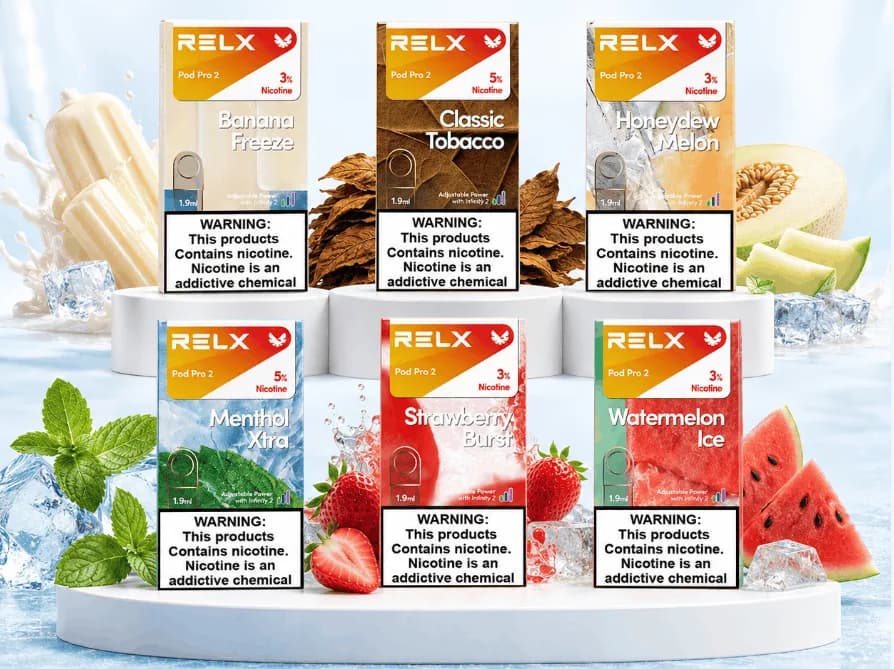
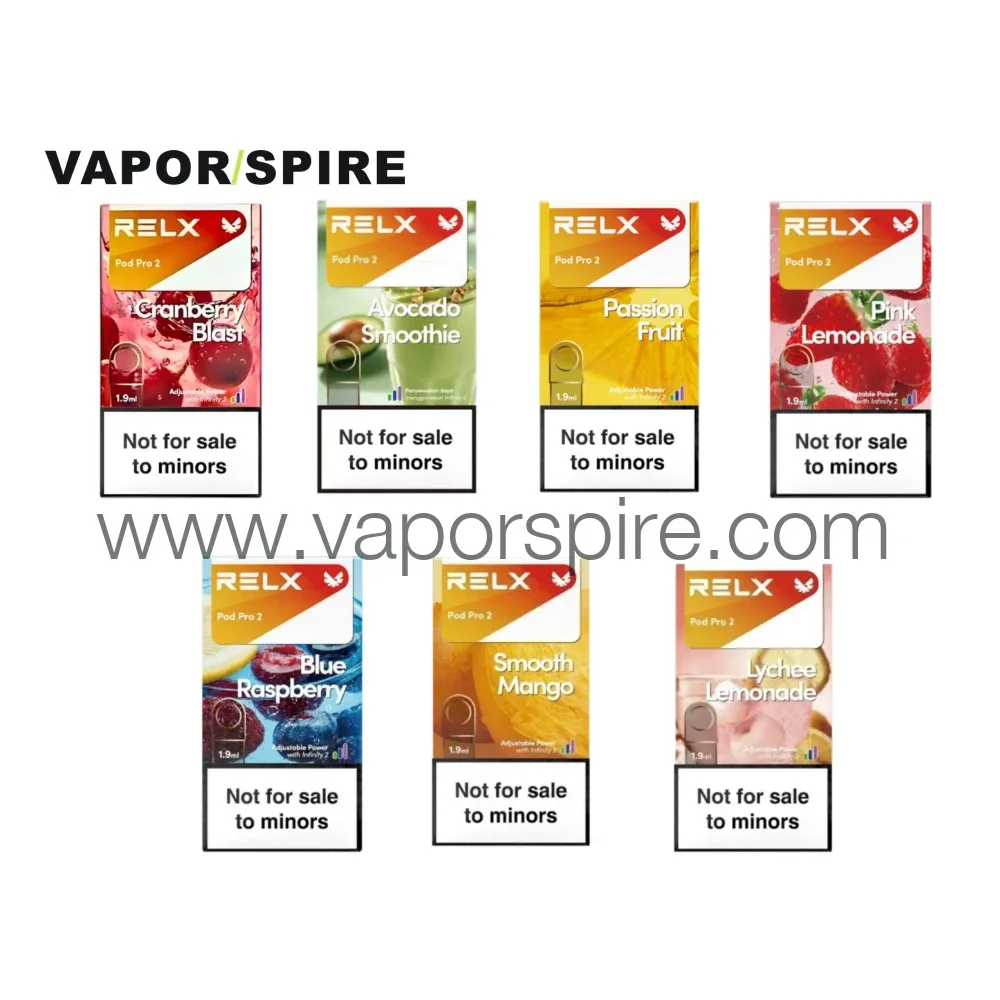
A pod kit flips the cost structure. You pay more at the start because you are buying a reusable device plus pods. After that, the recurring cost is browse RELX Pod Pro 2 pods, not a new disposable every time. Pods are typically sold in 2-pod packs, with multi-pack bundles at 10, 15, and 30 pods; the 30-pod bundle works out around 26% cheaper per pod than buying 2-pod packs individually.
The comparison that matters is not “device vs disposable” on day one. It is how fast you go through pods. RELX Pod Pro 2 pods are rated at approximately 600–650 puffs per pod. If a pod lasts you a week or more, the ongoing cost can undercut buying a new disposable each time. If you vape heavily, the pods disappear faster than you expect, and the upfront “saving” evaporates. There is no universal “pods are cheaper” rule. The rule is: pods are cheaper per session only if your consumption is slow enough to stretch them.
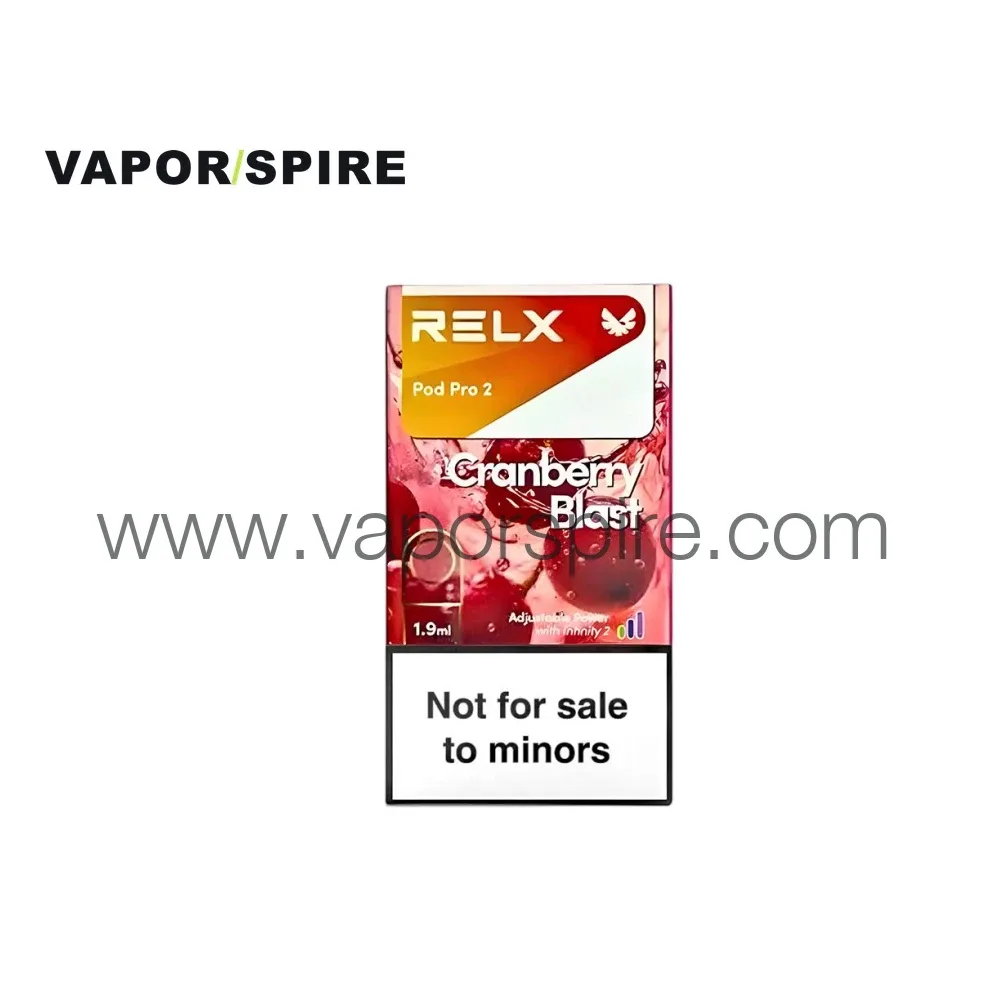
If that sounds like your usage pattern, start with a single pod of Cranberry Blast before committing to the 30x RELX Pro 2 Pod Bundle (Clearance Sale), which only pays off once you've locked in one or two flavours you'll actually reorder; and if you're leaning toward the Herc instead, the 10 x Relx Herc 12000 Puffs Bundle brings the per-unit cost down for daily users who'll genuinely finish all ten.
What Vape Delivery Really Adds to the Total
Australian online vape stores commonly charge A$9.95–A$11.95 for standard Australia Post shipping (3–6 business days), with free shipping thresholds around A$95–A$100. Express postage typically runs A$14.95–A$20 for 1–3 business days. If you are buying one device, that A$10–A$20 shipping line is a meaningful percentage of your total. A site that looks A$8 cheaper on the product page can be A$12 more expensive at checkout.
Free shipping over A$95 sounds like a win until you add a second device you did not need just to clear the threshold. The A$10 you “saved” on shipping is now A$35 you spent on a device sitting in a drawer. Before you top up an order to hit free delivery, ask whether the extra item is something you would have bought anyway. If not, paying the shipping fee is often the cheaper decision.
The Compliance Question That Changes the Price
This is not a legal lecture. It is a cost question.
In Australia, vapes and e-cigarettes are regulated as therapeutic goods. Adults 18 and over can access therapeutic vapes directly from a pharmacy without a prescription, provided the nicotine concentration does not exceed 20 mg/mL; higher concentrations require a prescription from a medical or nurse practitioner. These rules affect what you can legally receive, which in turn affects what you should budget. A listing that ignores the pharmacy pathway may look cheaper, but if the product cannot legally reach you, the “saving” is fictional. The TGA’s guidance on lawful access is the reference point worth checking before you compare prices.
The Three Devices Worth Looking At — and What Makes Each One Worth It
This is the part most price guides skip. Knowing that a device costs A$45 is useless if you do not know what you are getting for the A$45. Here is what separates the three high-capacity options that keep showing up in Australian price searches.
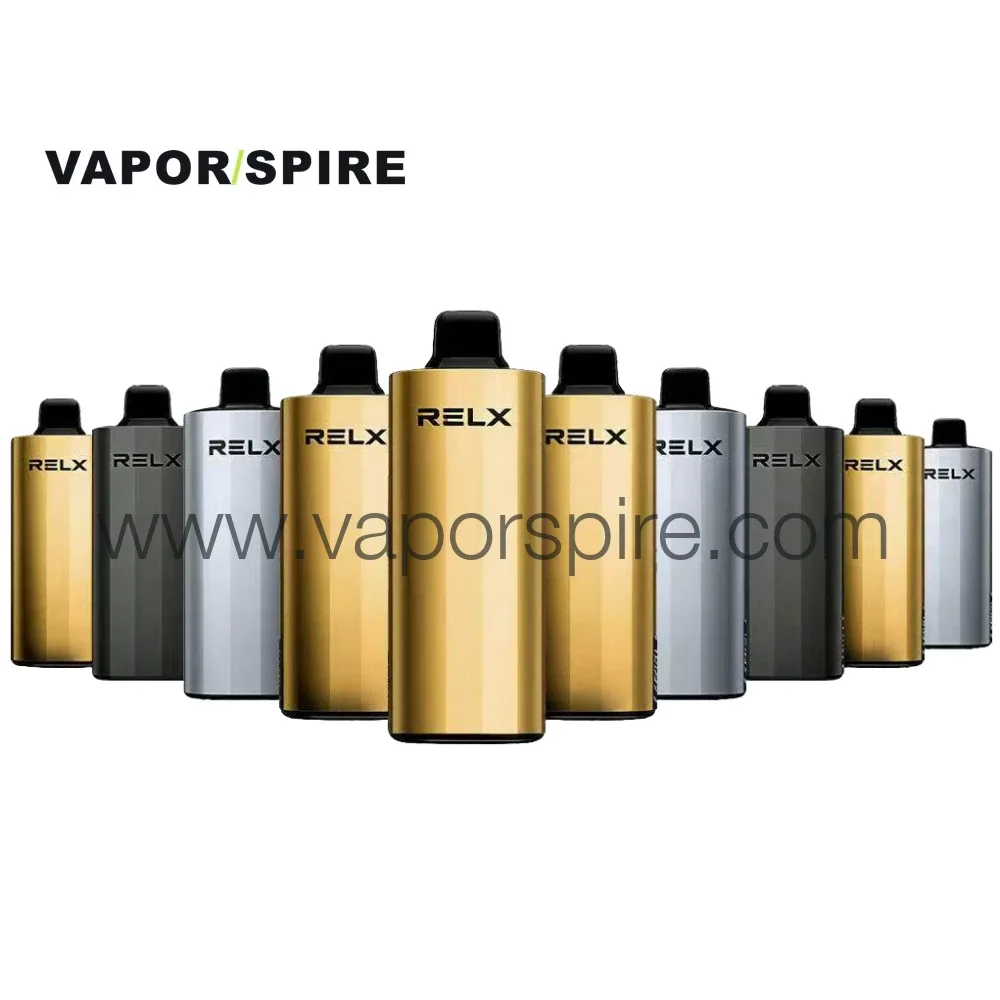
RELX Herc 12000 Puffs: The One That Tells You What Is Left
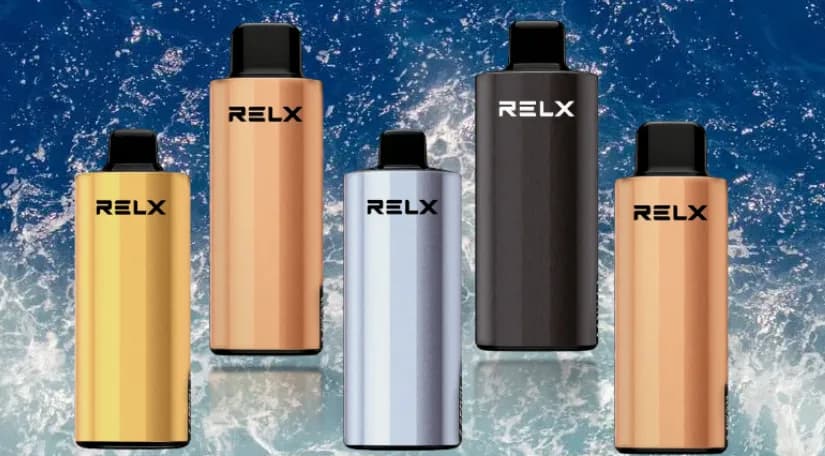
The Herc is not just a puff count on a box. It carries 18 mL of pre-filled e-liquid, a dual mesh coil, and — the detail that matters more than any spec sheet — a smart LED screen that shows battery level and remaining liquid. That screen changes the ownership experience. Most disposables leave you guessing whether the next draw is going to be the last one. The Herc tells you.
User feedback from Australian buyers backs up the build quality: battery life lasting a week of heavy use, the coil still tasting fresh after 4,000 puffs with no burnt cotton, and USB-C charging that actually makes the rechargeable format useful rather than a marketing checkbox. The trade-off some users mention is a slightly tighter airflow, which suits mouth-to-lung vapers but may frustrate cloud chasers.
Where the Herc earns its place is in the 12,000-puff bracket for people who want one device to cover work breaks and weekends without babysitting it. If you are going to run the per-1,000-puff division, do it on the Herc against a lower-capacity device, and you will usually find the Herc lands in a more reasonable per-puff range than the sticker suggests. You can see the live prices across flavours in the shop RELX Herc 12000 Puffs collection.
RELX Pod Pro 2 Pods: The Leak Problem, Actually Addressed
Pod systems live or die on two things: flavour consistency and whether the pod leaks in your pocket. RELX Pod Pro 2 addresses the second one with an 11-layer leakage prevention system and a FEELM ceramic coil designed for even heating. That is not a cosmetic upgrade. The most common complaint about cheaper pod systems is condensation build-up and liquid residue, and the Pod Pro 2’s sealing structure is specifically engineered to reduce that mess.
Each pod delivers around 600–650 puffs, roughly equivalent to two packs of traditional cigarettes. For someone switching from smoking, that equivalence matters more than a puff-count number on a disposable box — it gives you a familiar unit of comparison.
The catch is honesty about consumption. If you vape heavily, 600 puffs disappears quickly. The Pod Pro 2 makes financial sense when you are a moderate, consistent user who wants a device that behaves the same way every time rather than chasing maximum capacity. The browse RELX Pod Pro 2 pods collection lets you compare pack sizes and per-pod cost directly.
SCAMMM 15000 Puffs: The “It Actually Lasts” High-Capacity Option
SCAMMM occupies a specific lane: high capacity, mesh coil, no charging, no buttons, no maintenance. It is draw-activated and built for people who want to unwrap, inhale, and not think about hardware. The mesh coil expands the heating surface area, which is why users report the flavour holding up well past the point where cheaper disposables start tasting like burnt cotton.
Australian buyer feedback on the 15K SCAMMM is unusually consistent on one point: the taste stays clean for around 10 days of regular use before it mutes, and even close to the end of the rated puff count, it does not collapse into burnt hits. That is the difference between a rated 15,000 puffs and an actual 15,000 puffs.
SCAMMM’s trade-off is that it is non-rechargeable and slightly heavier than a standard disposable. But for someone who wants a single device to sit in a bag and work without charging cables or spare pods, it does the job without asking for anything in return. The explore SCAMMM 15000 Puffs range shows the flavour options and live pricing.
Why Vaporspire Can Keep RELX Prices Competitive — and What Else You Get
Here is where the supply chain stops being an abstract business term and shows up in the price you pay.
Vaporspire sources RELX products through direct factory supply channels, not through multiple layers of distributor margin. When a RELX device passes through a factory, then a regional distributor, then a local wholesaler, then a retailer, each layer adds cost without adding anything to the product itself. Compressing that chain on RELX lines is what allows Vaporspire to keep RELX devices and pods priced competitively without cutting corners on the product.
But price is only half of what “competitive” means. A cheaper device that arrives late, or with no clear returns path, is not actually cheaper. Vaporspire’s catalogue is organised by product type, puff count, and brand — RELX, IGET, $CAMMM, Snowplus, Alibarbar, and Slapple sit in the same place — so you can compare live prices across the RELX lines and the alternatives without opening five tabs. That structure is the practical benefit of buying vape online from a catalogue built for comparison rather than a single-brand storefront.
The point is not that every device on the site will be the lowest price in Australia. The point is that on RELX lines specifically, the cost stack is narrower, and the catalogue gives you the numbers to verify it yourself.
A Table to Check Before You Pay
The table below does not repeat the price ranges above. It lists the costs and traps that do not appear on the product label — the things that separate a “cheap” purchase from an actually cheaper one.
Purchase Scenario | Cost Invisible on the Label | Question to Ask Before Checkout |
|---|---|---|
Overseas 0% nicotine direct import | 7–12 business day wait; no local warranty or returns; the nicotine version does not follow the same pathway | Does the saving cover the wait and the lack of after-sales support? |
Local shop, buy now | Rent, staff, and compliance overhead are baked into the sticker; chemist vapes carry a 35–55% premium | Am I paying for immediate access, or for a cost structure I do not need? |
Adding an item to hit free shipping | You spend A$35 on a second device you did not plan to buy, to save A$10 on postage | Would I have bought this extra item if free shipping did not exist? |
High-puff disposable | Unused puffs are wasted money; the device may fail or get lost before you finish it | Does my actual usage rate justify a 15K or 25K device? |
Pod system “cheaper long term” | Pod consumption speed depends on how often you vape; the upfront device cost may never be recovered | Am I calculating theoretical savings, or savings I will actually realise? |
So, How Much Should You Actually Budget?
There is no single number, because the correct number depends on what you buy, how you buy it, and how often you use it. But you can replace guesswork with a short routine that works for any device, at any price.
Step one: start with your usage, not the price. A device you finish is cheaper than a device you abandon, regardless of what the label says. If you vape occasionally, a sealed disposable with a puff count you will realistically get through makes more sense than a high-capacity device that outlasts your interest. If you vape daily, a pod system spreads the cost across refills and may work out cheaper over months — but only if you actually go through the pods. Run the per-1,000-puff division on the specific variant you are considering, not on the category average.
Step two: add delivery before you compare. A product that is A$10 cheaper but charges A$15 shipping is not cheaper. Factor the vape delivery line into every comparison, and ignore free-shipping thresholds unless the extra item was already on your list.
Step three: check the supply path. A price that requires an illegal import to achieve is not a real price. The pharmacy pathway exists for a reason, and it changes what you can legally receive.
Once you have done those three things, the question shifts. It is no longer "which one is cheapest?" but "which one will I actually finish?" That is the answer to how much is a vape in Australia that no price list can give you — because it depends on you, not on the market average.
About this guide: Prices, shipping figures, and product specifications reflect publicly listed Australian retail data at the time of writing and may change. Product availability is subject to current TGA requirements and state or territory law. This article is for general information and does not constitute legal or medical advice.